Appliances / Restorative
Restorative
Crowns · Bridges · Implants
Repair, replace, and restore with digital precision.
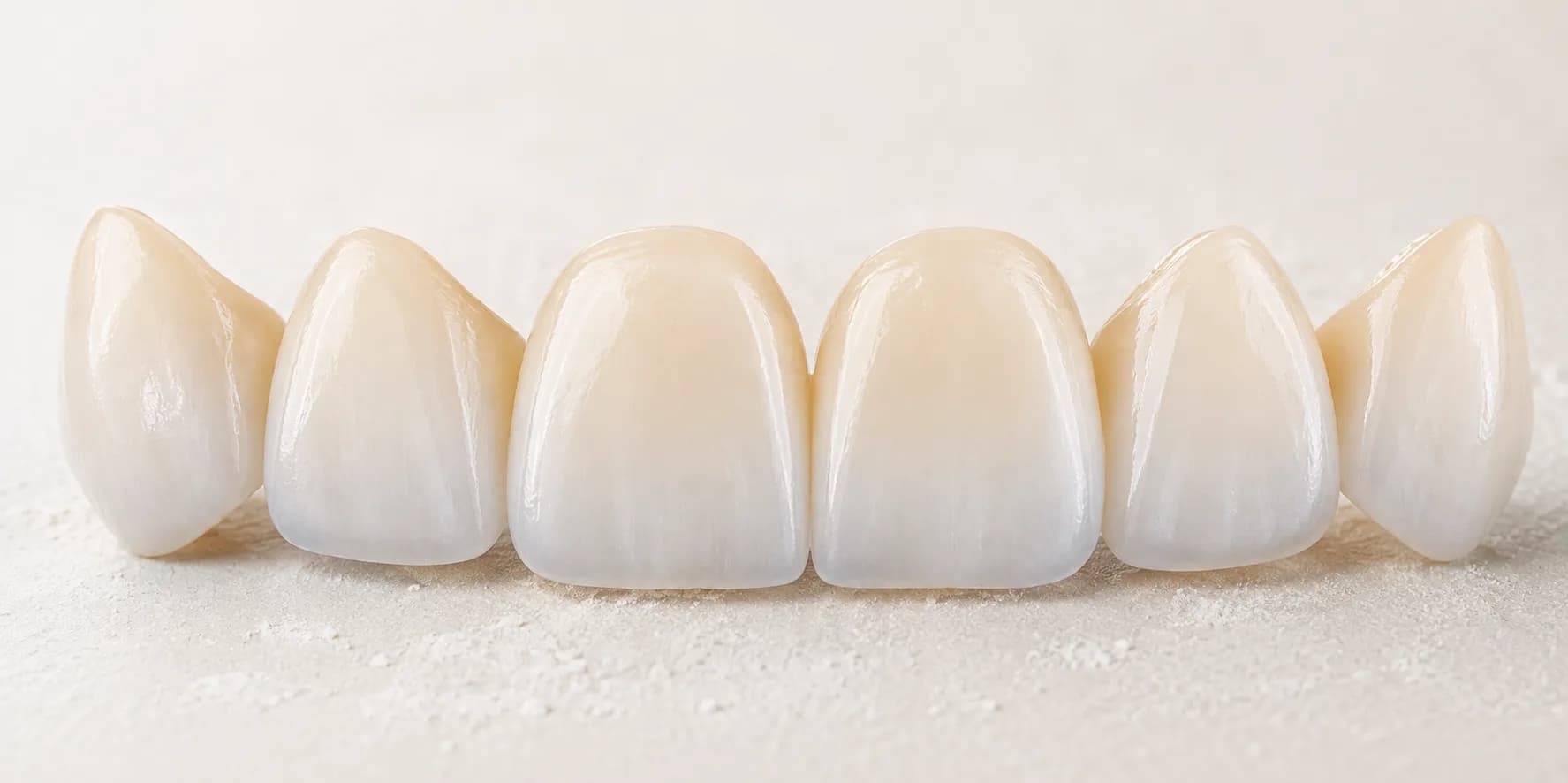
Restorative dentistry focuses on repairing or replacing teeth. The main goal of restorative dentistry is to improve oral health and chewing function.
Browse Our Products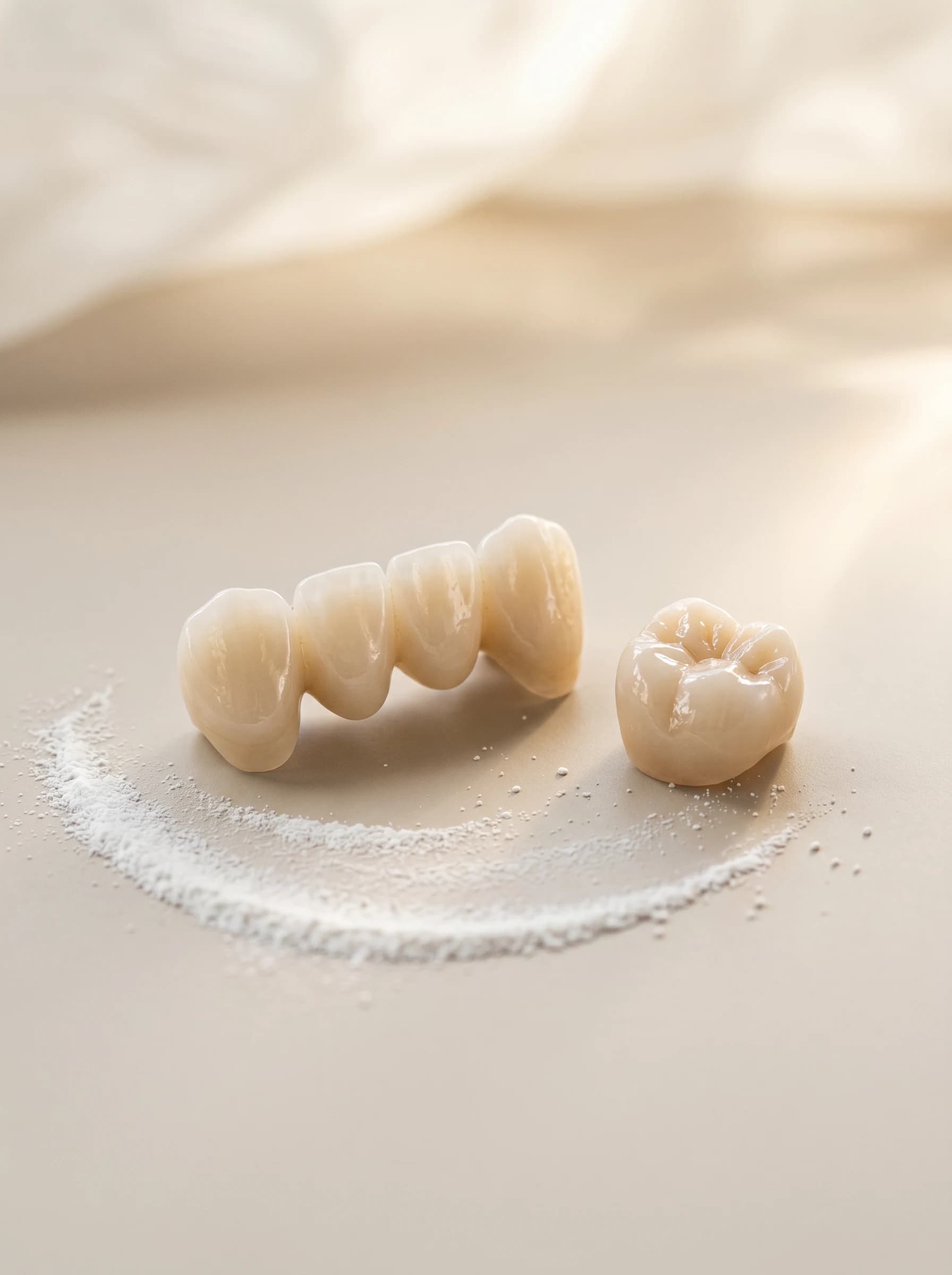
Restorative Dentistry
What is Restorative dentistry?
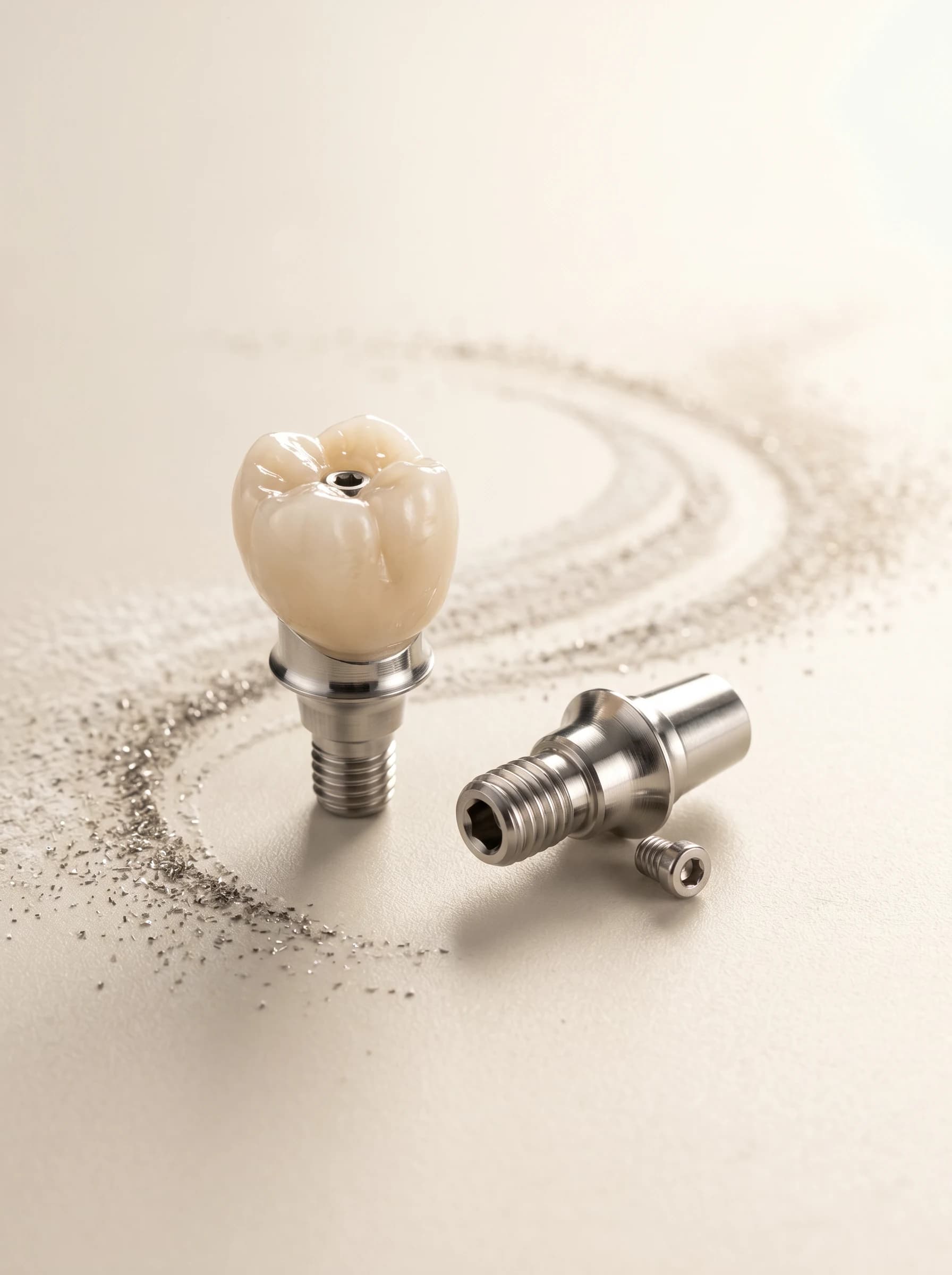
“Restorative dentistry” is the term dental professionals use to explain how they replace missing or damaged teeth. Fillings, crowns (“caps”), bridges and implants are common restorative options. The goal is to bring back your natural smile and prevent future oral health issues.
Fewer Adjustments. Virtually No Remakes.
AI-Powered Quality, Beyond the Human Eye.
Premium Quality. Smarter Pricing.
More Efficiency. Less Chair time.
Confidence, Delivered.
Restorative Dental Solutions
Going digital with Universal is easy.
Here's how the process works: start with the right restorative solution, share the case details, and keep the workflow aligned from design through delivery.
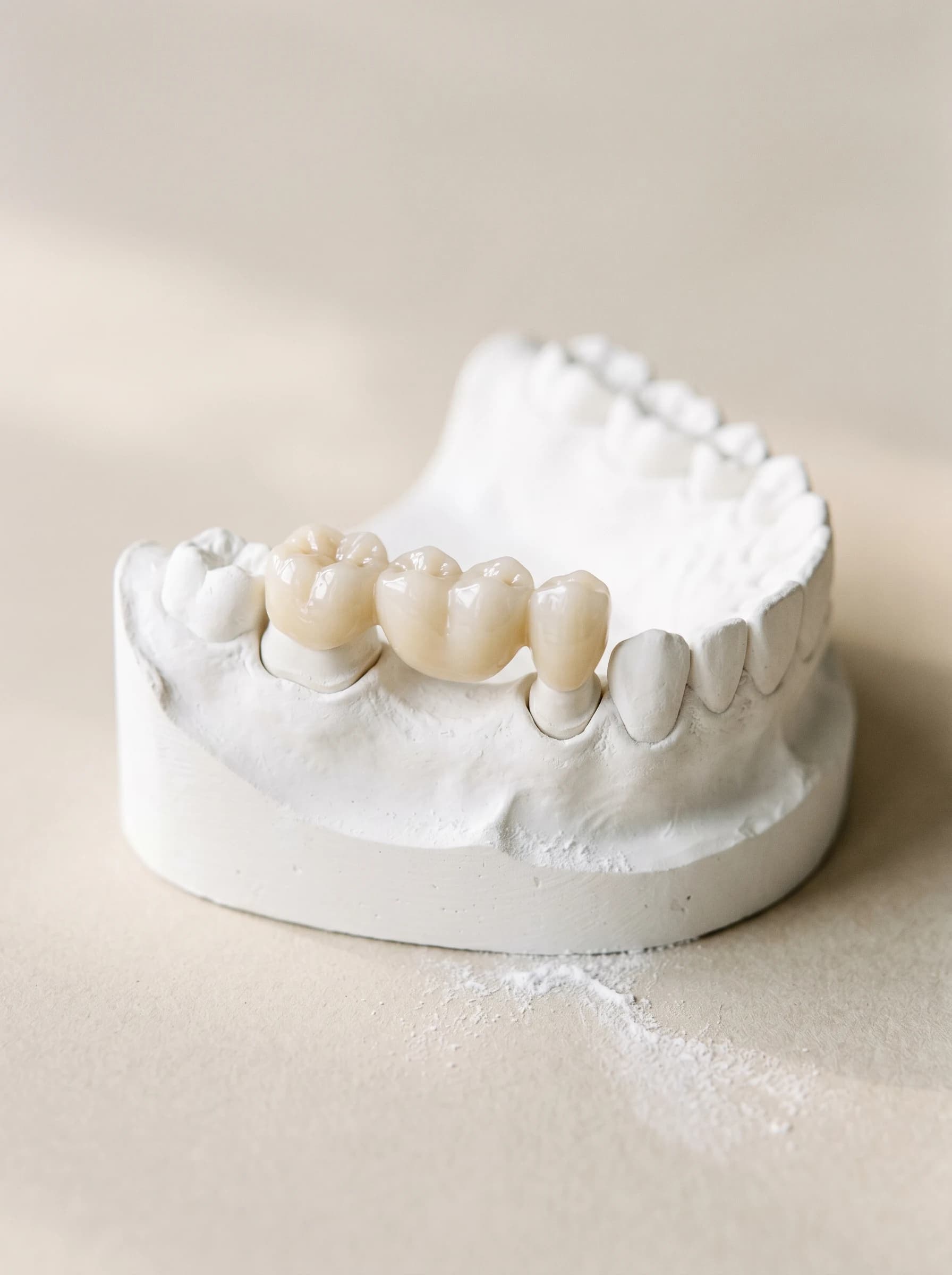
Bridges
A dental bridge is a fixed prosthetic that replaces one or more missing teeth. The process of installing the dental bridge will involve placing crowns on the two adjacent teeth and cementing them together to support the new tooth.
The advantages of having a dental bridge include better chewing ability, improved speech, less sensitivity from exposed roots, and an overall improvement in oral health because it supports natural teeth.
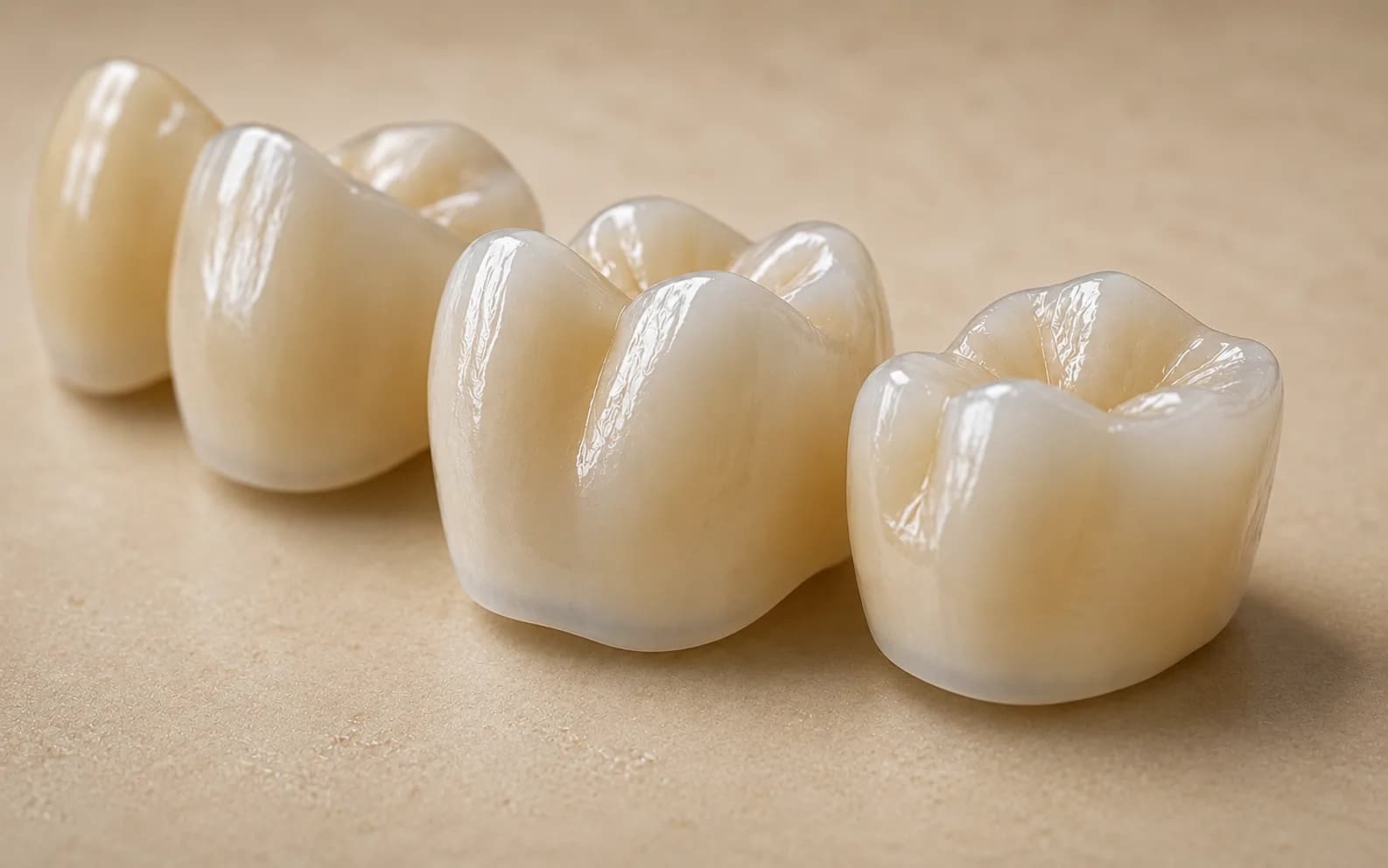
Design. Care. Technology
Restorative care, shaped by digital precision.
Restorative dentistry is a combination of treatments that restore or replace missing or severely damaged teeth. This includes everything from a minor filling to more complex oral surgery procedures that require anesthesia. Some are directly performed, such as filling a cavity, and some are more indirect, such as replacing a tooth in the form of a customized crown.
Browse Our Products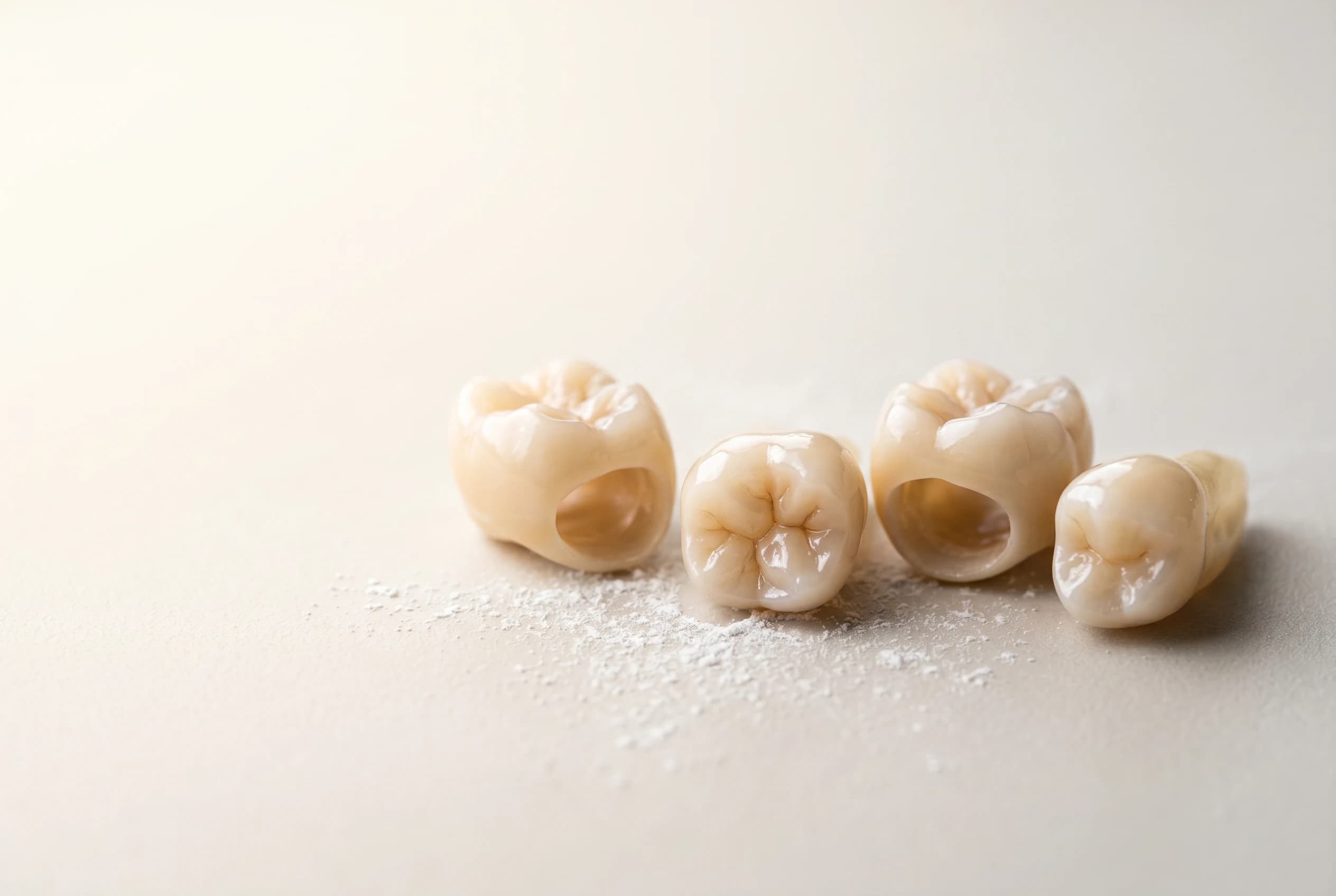
Why It Matters
Why restorative dentistry procedures are important
The most common way to treat a cavity is for your dentist to remove the decay and fill the tooth with one of several different materials. These filling materials include gold, porcelain, silver amalgam, tooth-colored plastic or composite resin.
Filling empty spaces in the mouth helps keep teeth properly aligned.
Replacing teeth makes it easier to maintain good oral care habits to help prevent plaque build-up and the problems plaque can lead to.
Missing teeth can affect your health, appearance and self-esteem.